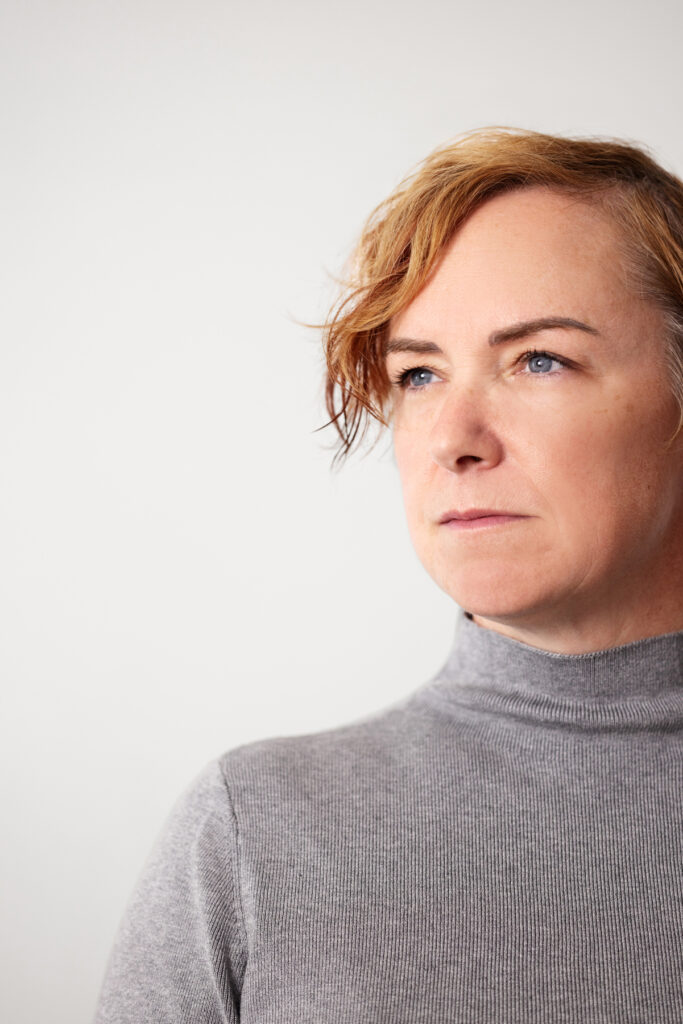
There’s a version of this story we don’t talk about very often.
The one where someone you love spends years struggling with addiction, finally finds their way to recovery… and then is gone.
In this episode of The Shadows We Cast, I sat down with Caitlin Morrison to talk about what it means to love someone through addiction — and what it means to carry that experience forward after loss.
The Experience Families Carry
One of the most powerful parts of this conversation is how clearly it reflects the lived experience of families.
Long before there’s language for it, there’s noticing.
Something feels different.
Something doesn’t quite make sense.
From there, many families move into a cycle that can be hard to name but deeply familiar:
- confusion
- self-doubt
- trying to manage or fix what’s happening
- periods of hope followed by disappointment
As Caitlin shared, the experience isn’t always loud or obvious — especially when someone is high-functioning.
Sometimes, it looks like absence.
Missed moments.
A quiet shift in presence that’s hard to explain, but deeply felt.
The Cycle of Hope and Reality
One of the themes that runs through this episode is the emotional whiplash families experience.
Moments where things feel like they might finally change…
followed by the reality that they haven’t.
This is where so many people find themselves asking:
Why won’t they just get help?
But as Caitlin explained so clearly, addiction isn’t something that responds to logic or pressure in the way we might expect.
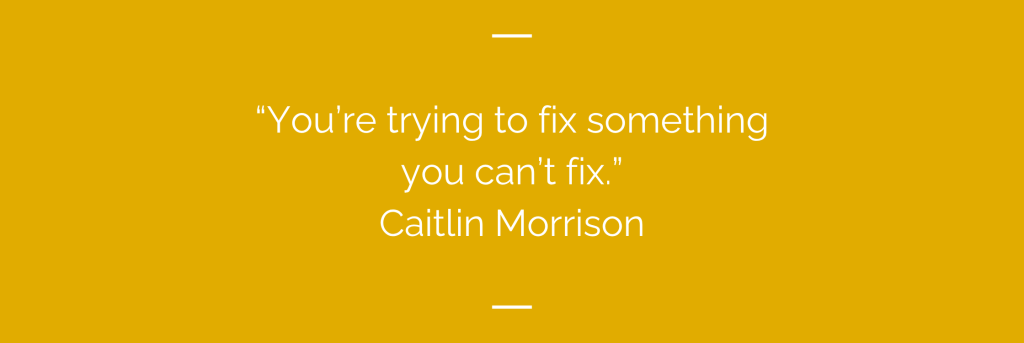
There’s a tension between wanting to help and realizing that you can’t force change — no matter how much you love someone.
And for many families, that tension reshapes the relationship over time.
The Cycle of Hope and Reality
One of the themes that runs through this episode is the emotional whiplash families experience.
Moments where things feel like they might finally change…
followed by the reality that they haven’t.
This is where so many people find themselves asking:
Why won’t they just get help?
But as Caitlin explained so clearly, addiction isn’t something that responds to logic or pressure in the way we might expect.
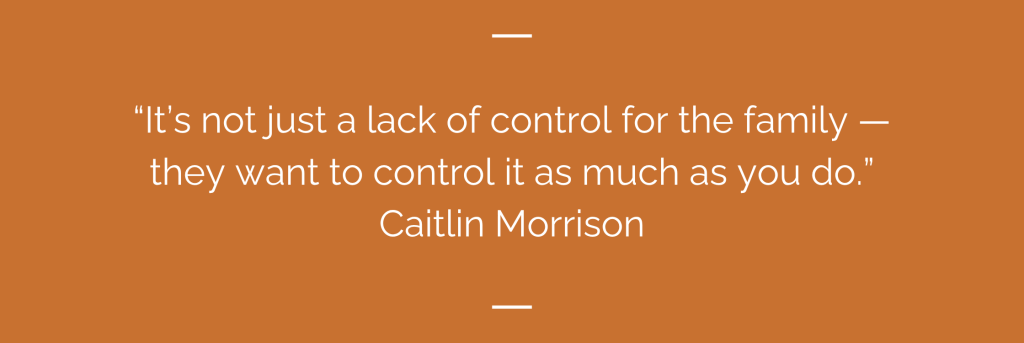
There’s a tension between wanting to help and realizing that you can’t force change — no matter how much you love someone.
And for many families, that tension reshapes the relationship over time.
Recovery, and the Part We Don’t Talk About
This episode also touches on something that isn’t often part of the public conversation:
What happens when someone does find recovery.
For many families, this can be a profound shift — relationships deepen, connection returns, and there’s a sense of stability that may not have been there for years.
But even then, there’s often a lingering awareness:
That progress can be real…
and risk can still be real too.
Legacy and What We Carry Forward
At the heart of this episode is the idea of legacy.
Not as something distant or abstract —
but as something shaped through lived experience.
Through her work with the Matthew Perry Foundation and the Matthew Perry House, Caitlin is helping build something that addresses a critical gap in recovery:
What happens after treatment ends.
Long-term, community-based support.
Care that reflects how the brain actually heals.
And recognition that families need support too.
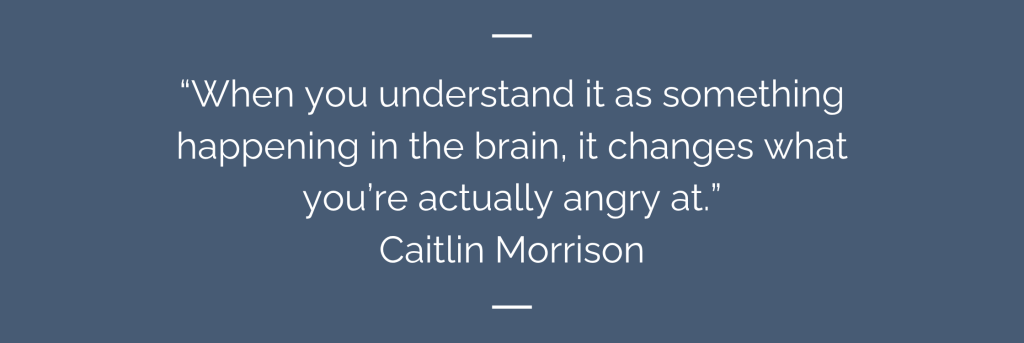
This work reflects a broader shift — one that moves toward compassion, understanding, and sustainable recovery.
This conversation is ultimately about more than addiction.
It’s about family.
It’s about love.
And it’s about the complicated, often unspoken realities that come with both.
If you’ve experienced something similar — or are trying to understand it — this episode offers both insight and a sense of not being alone.
Listen to the Episode
🎧 Episode 5 — Legacy
The Shadows We Cast: Legacy